Circulation and Exercise Recovery: Why Blood Flow Is Your Best Friend
Fitness is not made only in the gym and on the trail. It is made in the hours and days afterward, when your body repairs and strengthens. And at the center of that recovery process is circulation.

Key Points
- Recovery is a training adaptation, not idle time
- Blood flow delivers the raw materials for repair
- Recovery naturally slows with age, and can be supported
- Compression, EECP, oxygen and light all support the process
- A routine beats a one-off recovery session
Why Recovery Matters as We Age
In your 20s, soreness evaporates overnight. In your 40s, 50s and beyond, the gap between effort and recovery widens. That is not a reason to slow down; it is a reason to train recovery as seriously as you train activity.
How Circulation Fuels Recovery
Exercise creates micro-damage in muscle tissue, and repair requires resources: oxygen, nutrients and immune cells, all delivered by blood flow. Better circulation means a faster, more complete delivery of everything your body needs to rebuild.
Tools That Support It
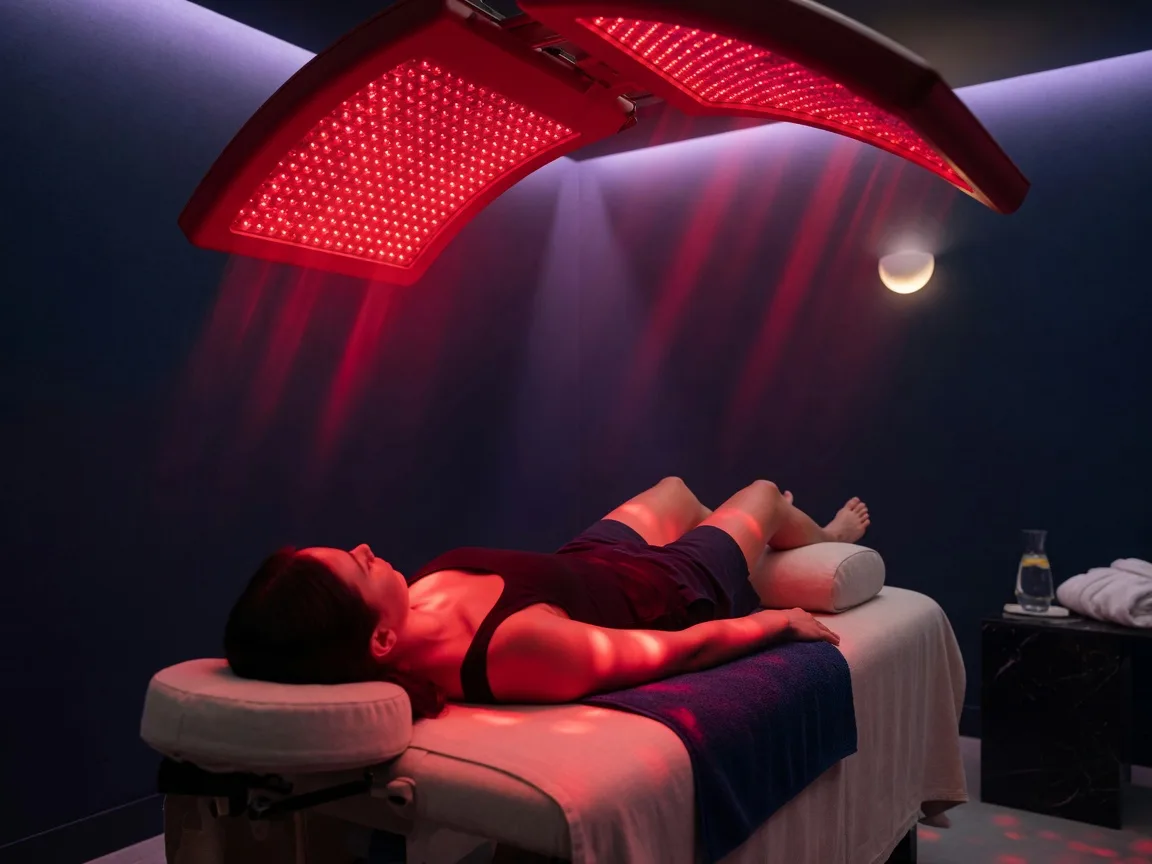
Dynamic compression boots move blood and lymph through the legs after training. EECP coordinates with your heartbeat to support circulation systemically. Hyperbaric oxygen and red light add oxygen and cellular energy. Each supports the same goal from a different angle.
Building a Recovery Routine
The best recovery plan is the one you repeat: compression after hard sessions, light or oxygen on rest days, sleep and nutrition daily. At Thrive in Draper, it is all under one roof, designed for Wasatch Front schedules.
Want to Explore This Further?
This article is part of the Thrive EECP Health Library in Draper, Utah. If the topic above sounds relevant to you, the next step is a free, no-pressure conversation about your goals.
About the Author
This article was authored and curated by Phil Kim for the Thrive EECP Health Library, with content guidance from the Thrive team. It is educational information, not medical advice, and does not create a patient relationship. Always consult a qualified healthcare professional about your health.