Healthy Aging: Strength, Circulation and Staying Active in Your 50s and 60s
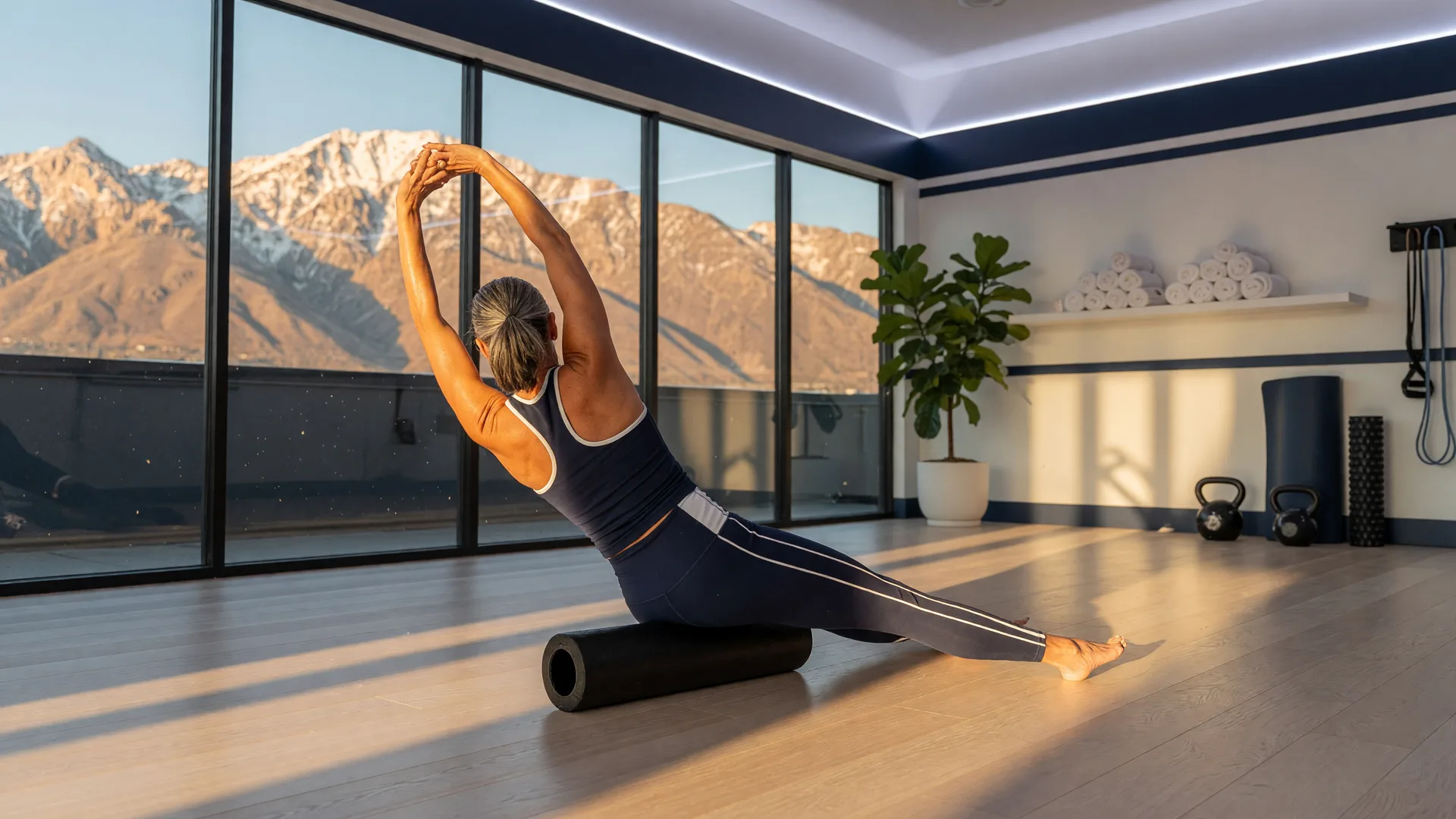
Healthy aging in your 50s and 60s comes down to three moves: preserve muscle, keep moving, and support circulation. The evidence is consistent: strength training and regular aerobic activity protect performance into older age, and circulation support helps the whole system keep delivering what it needs.

Key Points
- Muscle loss accelerates with age when left unchallenged
- US guidelines: 150+ minutes of aerobic activity weekly plus 2+ strength days
- Resistance training also improves blood flow and vessel function
- Circulation support: EECP, compression, vibration and light therapy
- Small consistent habits beat occasional intensity
What Changes in Your 50s and 60s
Muscle mass and strength begin a gradual decline starting in the 30s and 40s and accelerate after 60 when left unpreserved, and recovery windows after exercise widen. Circulation, like every system, becomes more dependent on support as the decades add up.
None of this is a verdict: every one of these changes responds to training and supportive habits. The people who do best are rarely the ones who were athletes; they are the ones who stayed consistent.
The Guidelines in Plain Terms
The US Physical Activity Guidelines recommend at least 150 to 300 minutes of moderate aerobic activity per week, or 75 to 150 minutes of vigorous activity, plus muscle-strengthening exercise at moderate or greater intensity on two or more days a week, involving all major muscle groups.
For adults 65 and older, the guidelines add balance training, and most experts recommend starting it earlier. A brisk walk, a strength circuit and a balance routine cover nearly all of it.
Why Muscle Is the Metabolic Engine
Muscle is metabolically active tissue that burns calories at rest and helps regulate blood sugar. Research shows resistance training increases basal limb blood flow and improves vascular endothelial function in older adults, meaning strength work helps circulation and metabolism at the same time.
The 2021 Science study on metabolism reinforced the message: muscle preservation is the lever that keeps your daily burn from drifting down.
Supporting Circulation as You Age
Non-invasive therapies add circulatory support that exercise alone may not fully provide: EECP coordinates with your heartbeat to support blood flow, dynamic compression supports leg circulation and lymphatic flow, whole-body vibration shows benefits for strength and balance, and red light supports cellular energy.
Thrive EECP in Draper combines these into individualized aging-well programs for adults from Sandy, South Jordan, Lehi and across the Wasatch Front, all under one roof.
Sources & References
Independent, authoritative sources used in this article, linked so you can verify the details yourself. Information here is educational and not a substitute for medical advice.
Want to Explore This Further?
This article is part of the Thrive EECP Health Library in Draper, Utah. If the topic above sounds relevant to you, the next step is a free, no-pressure conversation about your goals.
About the Author
This article was authored and curated by Phil Kim for the Thrive EECP Health Library, with content guidance from the Thrive team. It is educational information, not medical advice, and does not create a patient relationship. Always consult a qualified healthcare professional about your health.