What Is EECP Therapy? A Plain-Language Guide
If you have never heard of EECP, you are not alone. Enhanced External Counterpulsation is a specialized therapy that most people encounter only when a doctor, a friend or a search engine leads them to it. This guide explains what it is in plain language.
Key Points
- Non-invasive: no surgery, needles or incisions
- Coordinated with your own heartbeat
- Sessions typically last about an hour
- Availability in Utah is extremely limited
- An evaluation with a qualified professional should always come first
EECP, Explained Simply
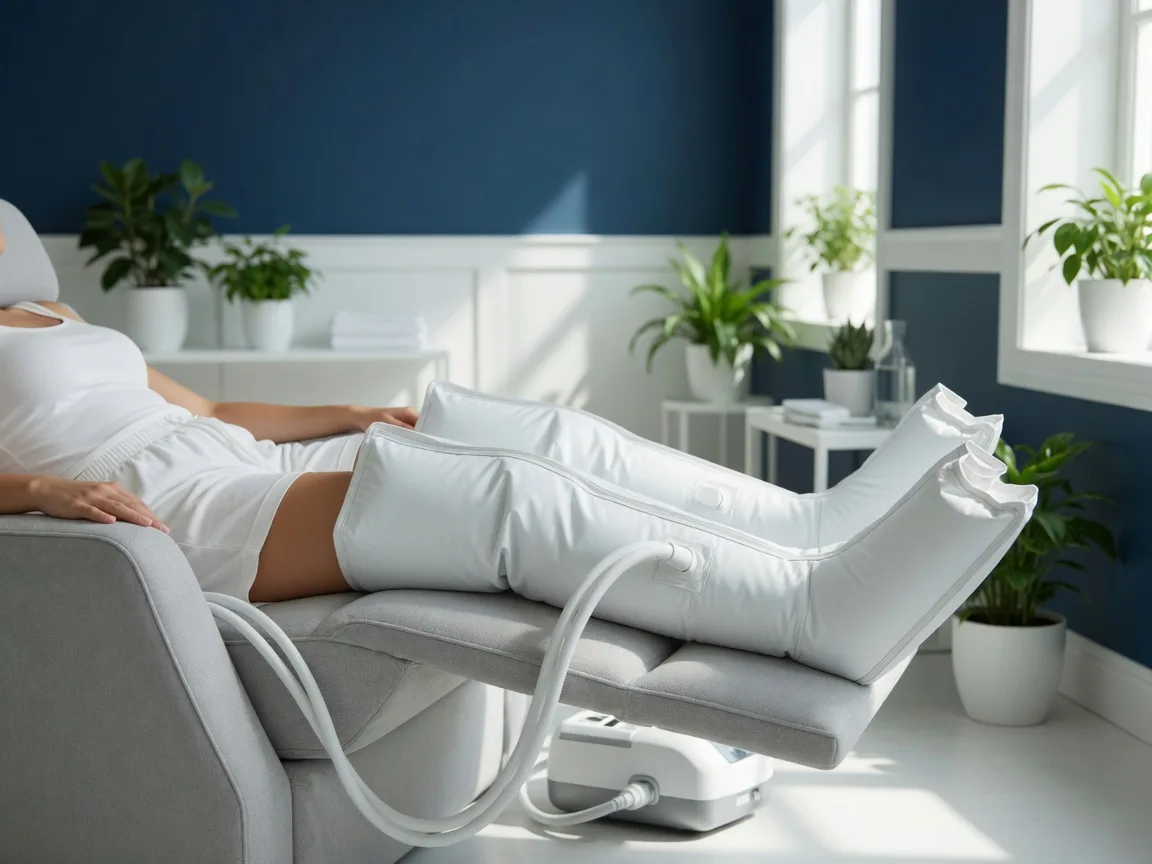
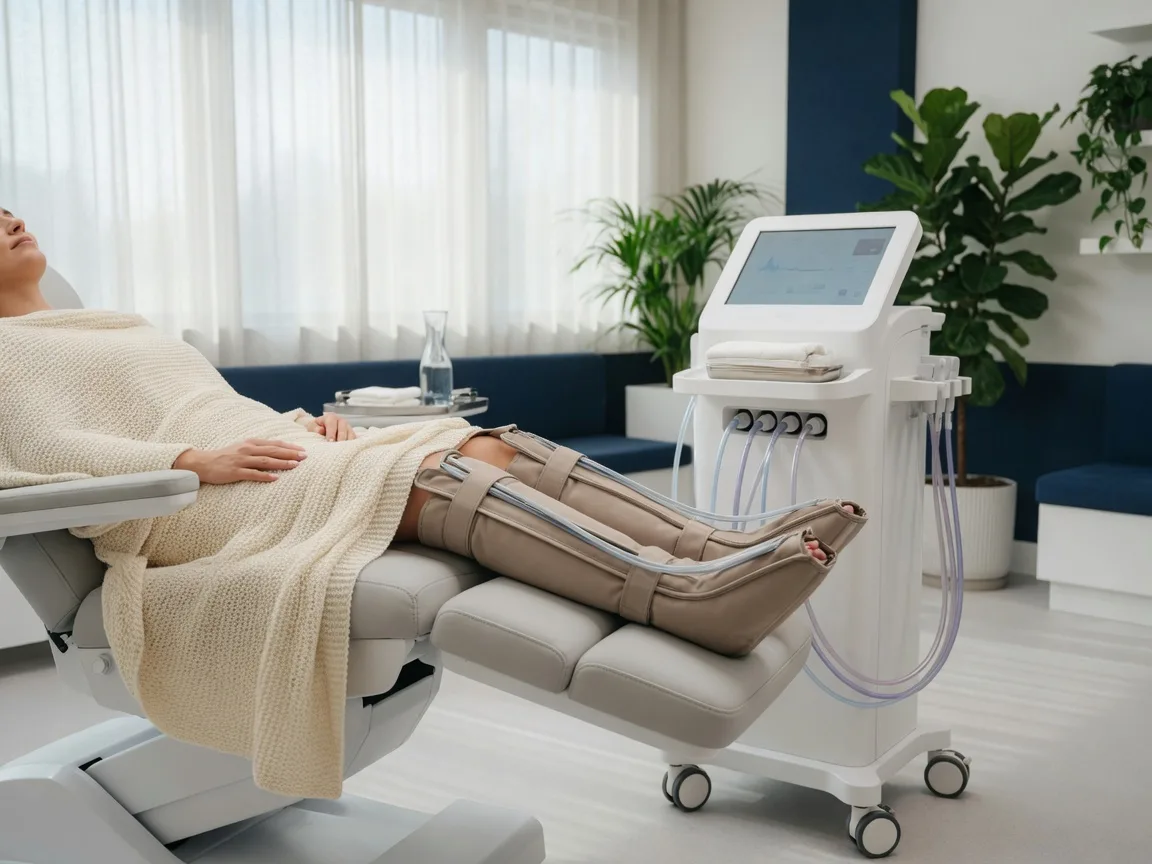
EECP stands for Enhanced External Counterpulsation. It is a non-invasive therapy in which soft cuffs are wrapped around the calves, thighs and hips. The cuffs inflate and deflate in rhythm with your heartbeat, in a sequence designed to support blood flow back to the heart and throughout the body.
The word 'counterpulsation' simply describes that rhythmic opposition to your pulse. The therapy gently works with your circulatory system instead of against it.
What Happens During a Session
You lie comfortably on a treatment bed while the cuffs are fitted to your lower body. A system monitors your cardiac cycle and coordinates the inflation and deflation of the cuffs. A typical session lasts about 60 minutes, and most patients read, rest or listen to music throughout.
When the session ends, the cuffs come off and you go about your day. There is no recovery time, because the therapy is entirely external.
Who Uses EECP
EECP is used in cardiovascular care, including stable angina and heart failure, and it is of interest to people seeking non-invasive circulation support. Landmark studies such as MUST-EECP and the PEECH trial have examined its effects on symptoms, exercise capacity and quality of life.
EECP is not right for everyone, and it does not replace medical care. Suitability depends on your health history, which is why an evaluation is the correct first step.
Where to Get EECP in Utah
EECP availability is extremely limited in Utah. Thrive EECP in Draper offers the therapy and serves patients from across the South Salt Lake Valley and northern Utah County, many of whom travel specifically for this treatment.
Want to Explore This Further?
This article is part of the Thrive EECP Health Library in Draper, Utah. If the topic above sounds relevant to you, the next step is a free, no-pressure conversation about your goals.
About the Author
This article was authored and curated by Phil Kim for the Thrive EECP Health Library, with content guidance from the Thrive team. It is educational information, not medical advice, and does not create a patient relationship. Always consult a qualified healthcare professional about your health.